Sep 26, 2026
What Are People Really Paying For?
READ MORE


Once, a hand-pulled rickshaw carried just two people. When the buses came, they took 56 together. Did rickshaw pullers vanish? No. Many moved into driving buses, autos, and taxis. Transport didn’t shrink. It multiplied, creating more opportunities than before!
When Tally and SAP arrived, the bahi-khata clerks lost relevance. But accountants became auditors, consultants, and wealth managers. Technology freed them from drudgery and pushed them higher up the value chain.
When ATMs were introduced, people predicted the end of bank tellers. In reality, bank branches expanded. Clerks moved into customer service, lending, and advisory roles where trust matters more than transactions.
Mechanical looms displaced manual weavers, but they also gave birth to a global textile industry. New opportunities opened in design, fashion, distribution, and quality industries far larger than the original handloom sector.
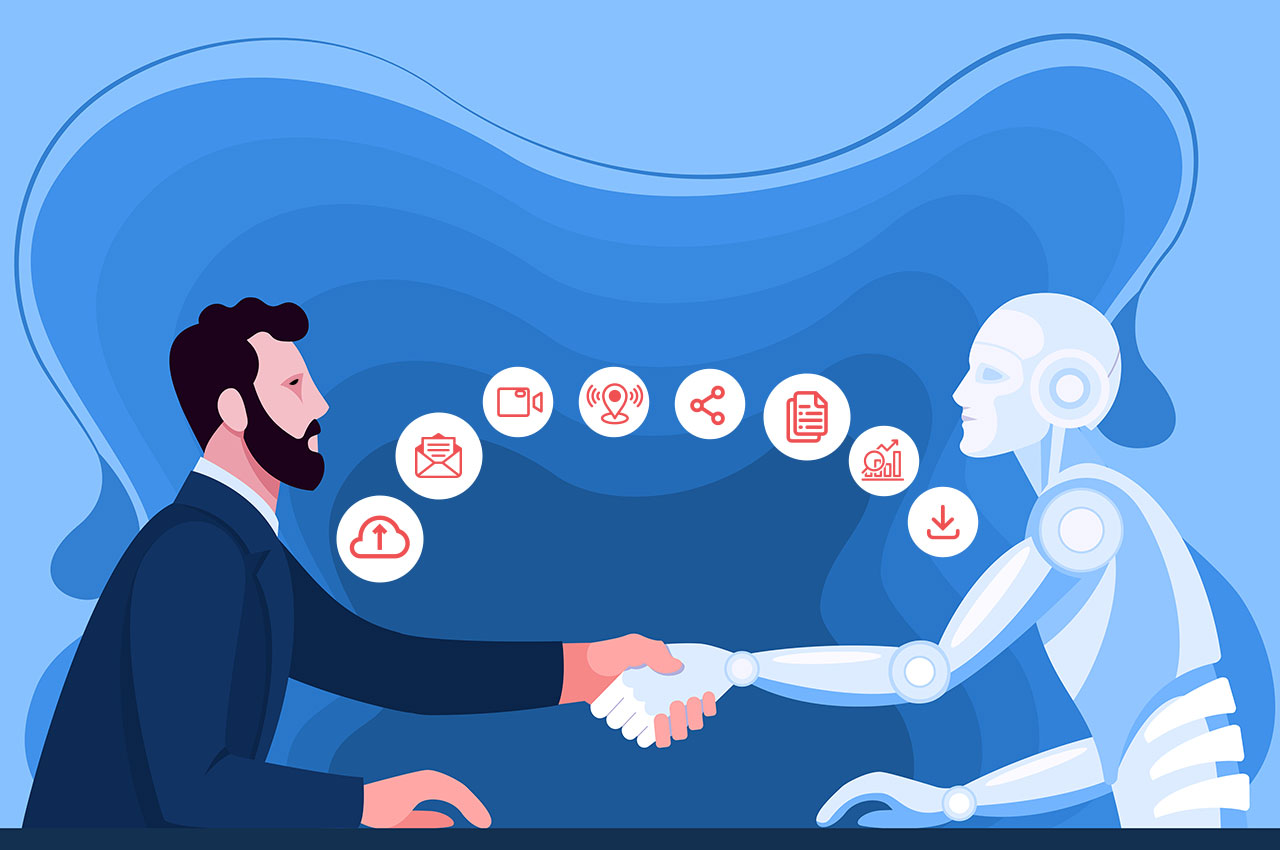
AI today can read an X-ray or a scan in seconds, often spotting details faster than a radiologist. But that hasn’t made doctors redundant. Instead, it has become another tool in their hands, helping them reach quicker, more accurate conclusions, while they devote more time to what only a human can provide: judgment, empathy, and the reassurance every patient looks for.
AI can certainly crunch numbers, rebalance portfolios, and run endless simulations. But wealth management goes far beyond mathematics.
It takes a human touch to calm an investor when markets crash, to interpret family emotions during estate planning, and to build trust around legacy and philanthropy.
It also takes human judgment to align financial decisions with a client’s deeper values and life goals and recognise the cultural nuances, personal habits, and behavioural biases that often shape how families manage money.
Just as earlier technologies shifted professions upward, AI will push wealth managers toward deeper client engagement, behavioural coaching, and holistic life planning.
History proves: technology expands opportunity. Every wave of innovation shifts us up the value chain. Wealth and wisdom lie in adapting early and preparing smartly.
AI is not the end of the road. It’s the next highway. The question is: will you be ready to drive on it?