Sep 26, 2026
What Are People Really Paying For?
READ MORE


For decades, Indians believed that cash was convenient, simple, and invisible. Not anymore.
India’s tax administration has changed dramatically in the last few years. With PAN-Aadhaar integration, AI based monitoring, and real-time reporting from banks, cash has become the most visible financial instrument, not the least. Yet, many individuals still behave as if the old world exists. Unfortunately, it doesn’t.
Filing your ITR every year not only keeps you compliant but also reinforces your role in maintaining a transparent financial profile.
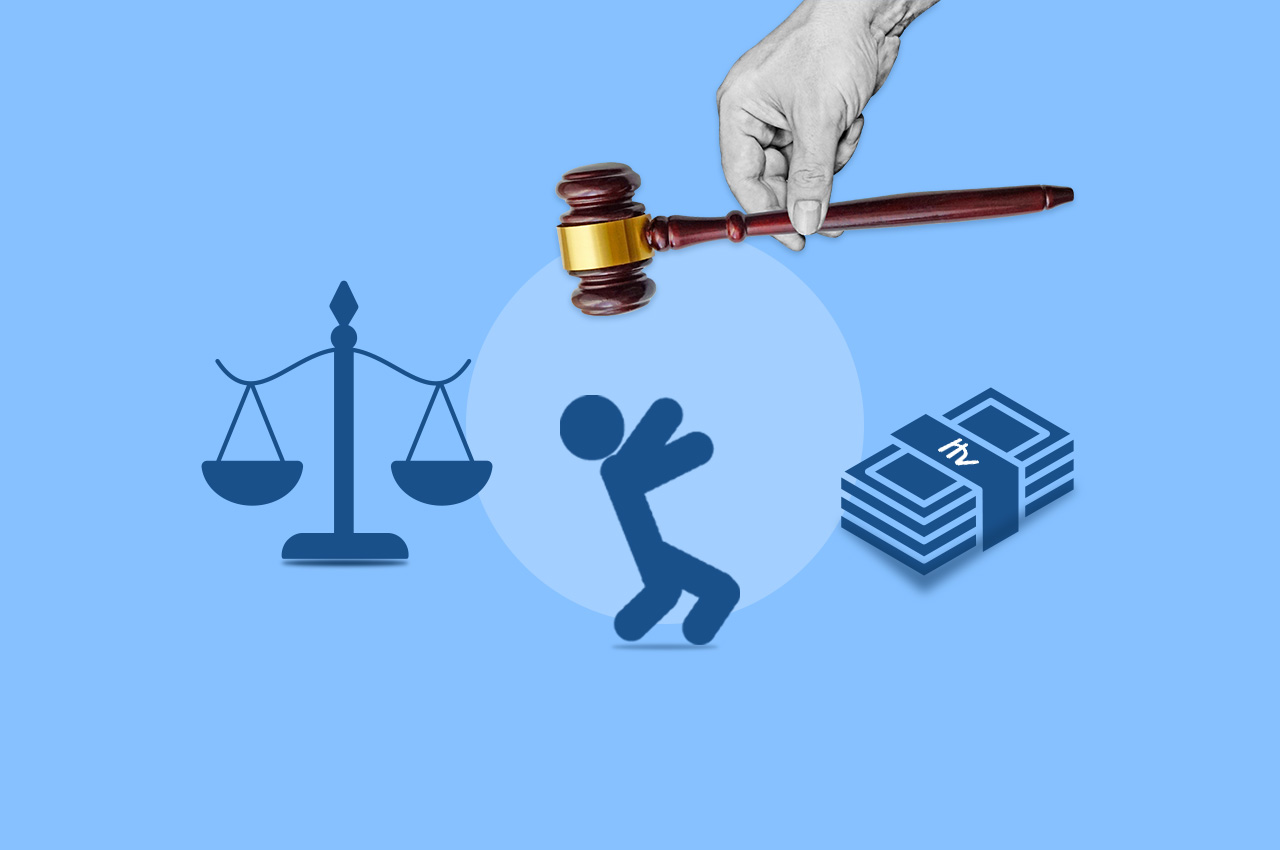
Most people are shocked when they hear this number. But it’s true. Under Sections 68, 69, 69A, 69B and Section 115BBE, unexplained cash can be taxed at:
The combined impact of penalties can reach around 78% of unaccounted-for cash, highlighting the serious financial risks you face if you don’t prove legitimate sources.
Your bank now files something called an SFT (Statement of Financial Transactions) with the Income Tax Department. If you withdraw ₹10 lakh or more in cash in a financial year, the system automatically flags it, not as wrongdoing, but as visibility. The era of “no one will know” is over.
Filing ITR for 3 years is crucial because, under Section 194N, non-compliance triggers TDS on cash withdrawals above ₹20 lakh, affecting your finances.
Under Section 194N, banks must deduct TDS before giving you your own money if:
The TDS is @2% on withdrawals exceeding ₹20 lakh and @5% on withdrawals exceeding ₹1 crore if you have not filed ITRs for the last three years; for compliant filers, TDS kicks in only on withdrawals exceeding ₹1 crore.
This is the Government’s gentle reminder: If you use the banking system, you must also stay compliant.
Section 269ST is one of the most powerful anti-cash provisions. You cannot receive ₹2,00,000 or more:
Penalty? 100% of the amount received.
If you receive ₹2.5 lakh in cash, the penalty itself can be ₹2.5 lakh.
Certain entities/transactions are exempt, but this is a narrow set and individuals and most businesses should simply avoid such receipts.
Sections 269SS and 269T prohibit taking or repaying any loan or deposit of ₹20,000 or more in cash.
Penalty again? 100% of the loan amount.
This applies even to friendly loans between relatives.
Real estate is heavily monitored. Cash here is an absolute no.
Under Section 269SS, engaging in property transactions with cash over ₹ 20,000 can result in penalties equal to that amount, risking your entire deal due to heightened government scrutiny.
Why the Government Is So Strict About Cash
India is moving towards a formal, documented financial ecosystem. The reasons are clear:
With AI-driven matching of PAN, Aadhaar, bank accounts, property records and GST data, the Income Tax Department can now detect inconsistencies in seconds.
Cash, once invisible, is now the easiest to track.
At Fine Advice, we always tell our clients:
“Convenience lasts minutes. Compliance protects your entire life.”
In today’s financial ecosystem, the smartest approach is simple:
Use banking channels. Stay transparent. Stay stress-free.
Your money should work for you, not worry you.
This article is for general information only and does not constitute tax or legal advice; readers should consult their advisors for their specific situation.