Nov 23, 2026
Retirement Is Not About Having Enough Money. It’s About Having Enough Life.
READ MORE


We spend the better part of our working lives preparing for retirement. We save, invest, build assets, purchase homes and work towards financial independence.
We calculate how much money we will need, factor in inflation, estimate medical expenses and try to ensure that our savings outlive us.
All of this is important. Very important.
But somewhere along the way, we tend to forget a fundamental question.
We spend decades planning how to finance our retirement. How much time do we spend planning how to enjoy it?
A comfortable retirement needs more than a healthy bank balance. Money can provide security, convenience and choices. But it cannot guarantee happiness, companionship, good health or peace of mind.
Having spent more than 36 years working with families and helping them navigate their financial journeys, I have increasingly come to appreciate that a fulfilling retirement rests on ten essential pillars.
Some require money. Most require something far more valuable.
There is little pleasure in having the financial freedom to travel the world if your health prevents you from stepping outside your home.
As we grow older, physical and mental well-being become increasingly precious. Regular exercise, sensible eating, adequate sleep, preventive healthcare and staying mentally active deserve as much attention as our investment portfolios.
Good health is not necessarily about living longer. It is about living better.
A daily walk, a healthy routine and the ability to remain physically independent can contribute more to happiness than many material possessions.
We spend years building our financial assets. Perhaps we should devote equal attention to maintaining our most valuable asset, our health.
Preventive healthcare, regular medical check-ups and appropriate health insurance are important. But ultimately, much of our well-being depends on the everyday choices we make.
Money can pay for healthcare. It cannot buy back good health.
During our working years, worries seem endless. Business targets, professional responsibilities, financial obligations, family commitments and the constant pressure to achieve more.
Retirement should offer an opportunity to leave some of that anxiety behind.
But peace of mind does not automatically arrive with a retirement cheque or a substantial investment portfolio.
I have come to believe in a simple philosophy:
Everything else will happen.
The stock market will fall. Economic downturns will happen. Disappointments will happen. Plans will go wrong. Health challenges will happen. Ageing will happen. And unexpected twists and turns in life will happen.
Only happiness does not happen on its own. You have to make it happen.
We cannot prevent all these things from happening. Nor should we allow them to determine whether we are happy.
The Bhagavad Gita offers a beautiful perspective through the concept of Samatva (समत्व), or equanimity.
समत्वं योग उच्यते।
Equanimity is Yoga. (Bhagavad Gita, Chapter 2, Verse 48)
It is the ability to maintain an evenness of mind through success and failure, pleasure and pain, praise and criticism.
This is especially relevant to our financial lives. Markets will rise and fall. The value of our investments will fluctuate. There will be periods of optimism and periods of uncertainty.
Our peace of mind should not fluctuate with them.
Financial security certainly helps. But beyond a point, peace of mind has less to do with how much we possess and more to do with how we choose to live.
We cannot control the markets, the economy or the behaviour of others. But we can learn to control our responses.
Happiness is not something we should endlessly wait for. It is something we must consciously cultivate.
One of the less-discussed challenges of retirement is the loss of everyday social interaction.
Offices, business meetings and professional engagements provide a ready-made network of people. Once these activities diminish, the circle can suddenly become smaller.
This is why genuine friendships matter enormously.
Friends with whom we can share a laugh, discuss everything under the sun, travel, enjoy a meal or simply sit quietly are priceless.
At this stage of life, the quality of friendships matters far more than the number of contacts in our phones.
We need people who value us for who we are, not for our professional titles, financial standing or business connections.
And friendship should never be a one-way street. We need to make the effort to stay connected, celebrate each other’s happiness and stand by one another during difficult times.
There is something wonderfully liberating about spending time with people before whom we have nothing to prove.
It is equally important to nurture friendships long before retirement arrives. Relationships need time, attention and genuine interest. They cannot be built overnight when professional life comes to an end.
A rich social life can make retirement far more rewarding than a rich portfolio alone.
Retirement from professional life should never mean retirement from personal dignity.
For people accustomed to making decisions, managing organisations or supporting families, the transition can sometimes be difficult.
Suddenly, there may be fewer people seeking our opinions, fewer responsibilities demanding our attention and less recognition of the roles we once occupied.
But our worth was never determined solely by our designation or professional achievements.
Self-respect comes from retaining our independence, continuing to make our own choices, remaining useful to others and accepting the changes that accompany age with grace.
It also means respecting the independence of the next generation rather than expecting them to live according to our preferences.
There is considerable dignity in knowing when to guide, when to help and when to step aside.
As we grow older, we should also learn to seek help when necessary without feeling that doing so diminishes our self-respect. Independence is valuable, but it need not mean refusing assistance or companionship.
Financial independence can support personal dignity, but self-respect ultimately comes from within.
We may retire from our positions, but we need never retire from our self-worth.
Financial freedom remains an essential foundation of a comfortable retirement.
It means having adequate resources to maintain our desired lifestyle, meet healthcare expenses, manage emergencies and enjoy the occasional indulgence without constantly worrying about money.
A well-structured retirement portfolio must consider inflation, longevity, liquidity, taxation and the need for dependable cash flows.
However, financial freedom is not simply about accumulating the largest possible corpus.
It is about understanding what enough means for us.
Two individuals with identical wealth can experience retirement very differently. One may feel secure and content. The other may remain perpetually anxious about having more.
There is also a transition that many people find difficult. After decades of saving and investing, they hesitate to spend even when they can comfortably afford to do so.
But retirement savings were accumulated for a purpose. They are meant to support a fulfilling life, not merely to remain untouched in investment accounts.
Of course, financial prudence and adequate safeguards remain essential. But within those boundaries, one should be able to enjoy the fruits of a lifetime of hard work.
At Fine Advice, we believe that money is a means to an end, not the end itself.
The objective is not to die with the largest portfolio. It is to live with financial confidence and dignity.
For many of us, family has been the primary motivation for working hard and building financial security.
Yet, ironically, the demands of professional life often leave us with too little time for the very people for whom we are working.
Retirement offers an opportunity to change that.
Spending unhurried time with one’s spouse, enjoying conversations with children, participating in family celebrations and creating new memories can bring immense satisfaction.
But family time should never become an exercise in controlling the lives of younger generations.
Our children have their own aspirations, commitments and priorities. The healthiest relationships allow room for affection as well as independence.
Being available when needed, without becoming intrusive, is an art worth cultivating.
And perhaps the most important relationship to nurture is the one with the person who has travelled alongside us through the ups and downs of life.
For years, conversations may have revolved around work, household responsibilities, children’s education and financial commitments. Retirement provides the opportunity to rediscover each other beyond those responsibilities.
Travel together. Develop common interests. Spend time talking about things other than obligations. Enjoy the simple pleasure of each other’s company.
The greatest gift we can give our family is often not more money, but more of ourselves.
For decades, our calendars are largely dictated by obligations.
Meetings, deadlines, clients, professional responsibilities and social commitments determine how we spend our days.
Retirement offers something extraordinarily valuable: the ability to decide what to do with our own time.
To travel without constantly checking emails. To read a book without watching the clock. To enjoy a leisurely breakfast, pursue a forgotten hobby, explore spirituality or simply do nothing without feeling guilty.
This freedom is not about abandoning responsibility. It is about choosing our responsibilities rather than being controlled by them.
One can also remain professionally active after retirement, provided that involvement is a matter of choice rather than compulsion.
Freedom also means developing the ability to say no.
Not every invitation needs to be accepted. Not every argument needs our participation. Not every request deserves our time.
And perhaps most importantly, we should learn to free ourselves from the constant pressure of other people’s expectations.
Time becomes an increasingly precious resource as we grow older. Unlike money, it cannot be earned back.
True freedom is not having nothing to do. It is having the liberty to decide what is worth doing.
One of the biggest mistakes we can make is to define retirement entirely in terms of what we will stop doing.
No more office. No more targets. No more deadlines.
But what will take their place?
Human beings need a sense of purpose, irrespective of age.
For some, that purpose may come from mentoring young professionals. For others, it may be philanthropy, teaching, volunteering, gardening, spirituality, learning or building something meaningful for the community.
Purpose does not have to be grand or publicly recognised.
Helping a neighbour, supporting a charitable cause, spending time with grandchildren or contributing to an institution we care about can be deeply fulfilling.
Many people spend their working lives measuring success by what they have achieved for themselves and their families.
Retirement offers an opportunity to ask a different question.
What can I contribute to the lives of others?
There is immense satisfaction in being useful without expecting anything in return.
In fact, some of the most meaningful contributions we make may have very little to do with money.
A little time, a patient ear, a word of encouragement or simply being there when someone needs us can make a remarkable difference.
We may retire from earning a living, but we need never retire from making a difference.
For much of our lives, happiness is attached to some future milestone.
We will relax after the next promotion. Travel after the business stabilises. Spend time with family once the children settle down. Enjoy life after accumulating a little more money.
The goalposts keep moving.
Retirement should remind us that the present is not merely a waiting room for a better future.
Enjoying a morning cup of tea, watching a sunset, taking an impromptu trip, sharing a meal with friends or spending a quiet evening with loved ones need not wait for a special occasion.
There will always be something pending. Some problem to resolve. Some investment to review. Some responsibility to fulfil.
If we wait for the perfect circumstances to enjoy life, we may wait forever.
Planning for the future remains important. But planning should not consume the very life we are planning for.
And enjoyment need not always involve expensive holidays, luxury experiences or elaborate plans. Often, the simplest moments leave the most lasting memories.
Tomorrow deserves preparation, but today deserves our attention.
Life is happening now. We should not be so busy preparing for tomorrow that we forget to enjoy today.
Perhaps the most difficult lesson, particularly for those who have spent their lives striving to achieve more, is learning the meaning of enough.
There will always be someone wealthier, more successful, more influential or living in a larger home.
If happiness depends on comparison, no amount of wealth will ever be sufficient.
Contentment does not mean becoming complacent, abandoning ambition or losing interest in life.
It means appreciating what we have while remaining open to meaningful experiences and personal growth.
It is the freedom to enjoy our achievements without feeling compelled to continuously surpass them.
Vedanta reminds us that lasting fulfilment cannot depend entirely on external possessions, achievements or recognition.
We spend much of our lives trying to increase what we have. Perhaps the second innings offers an opportunity to reduce what we need.
This does not mean renouncing material comforts or giving away everything we have worked for. It simply means enjoying those comforts without allowing them to define our happiness.
As we grow older, simplicity can become increasingly attractive. Fewer unnecessary possessions, fewer obligations, fewer comparisons and more time for what genuinely matters.
One of the greatest freedoms is reaching a stage where we no longer feel the need to prove anything to anyone.
We can continue to learn, contribute, grow and enjoy life without constantly measuring ourselves against others.
Contentment allows us to shift our attention from accumulation to appreciation.
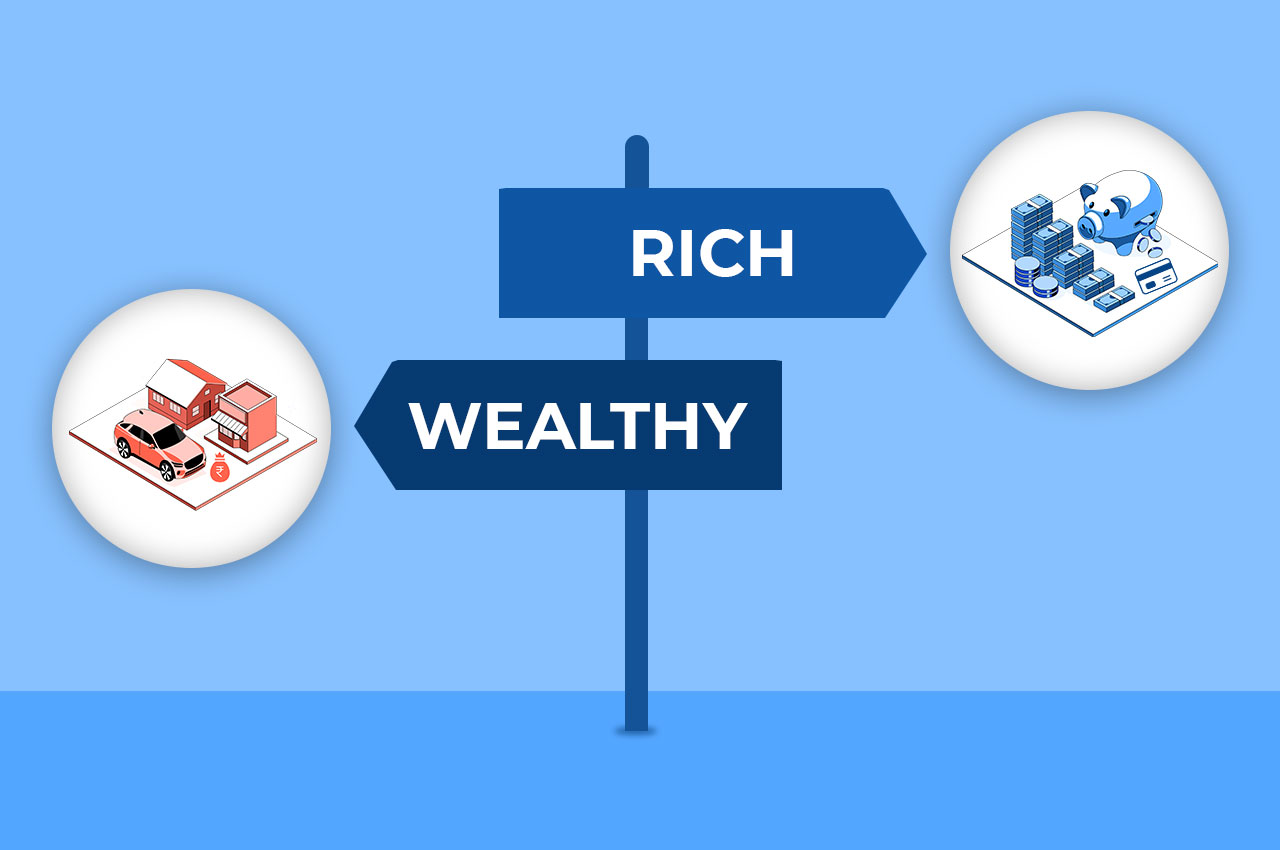
Being wealthy is one thing. Feeling that we have enough is another.
The Real Retirement Portfolio
Throughout our professional lives, we are encouraged to diversify our investments.
Perhaps we should apply the same philosophy to life.
A retirement portfolio should contain more than equity, debt, property and other financial assets.
It should also contain good health, meaningful relationships, personal freedom, peace of mind, purpose and contentment.
Financial security helps support these goals, but it cannot replace them.
At Fine Advice, our philosophy has always been Your Caddie for Life.
A good caddie does more than carry the golf bag or recommend the right club. He understands the terrain, helps navigate difficult stretches and remembers that the ultimate objective is to enjoy the game.
The same philosophy applies to retirement planning.
After all, wealth management should not be merely about making money grow. It should also be about helping people use their wealth to live better.
Retirement is not necessarily about stopping work. Many of us may choose to remain professionally active, pursue new interests or contribute to causes close to our hearts.
The important difference is that we should increasingly be able to live by choice rather than compulsion.
The first half of life is often spent accumulating. The second half should be about appreciating, experiencing and giving.
Perhaps the greatest measure of a successful retirement is not how much money we have accumulated, but how much life we have truly lived.
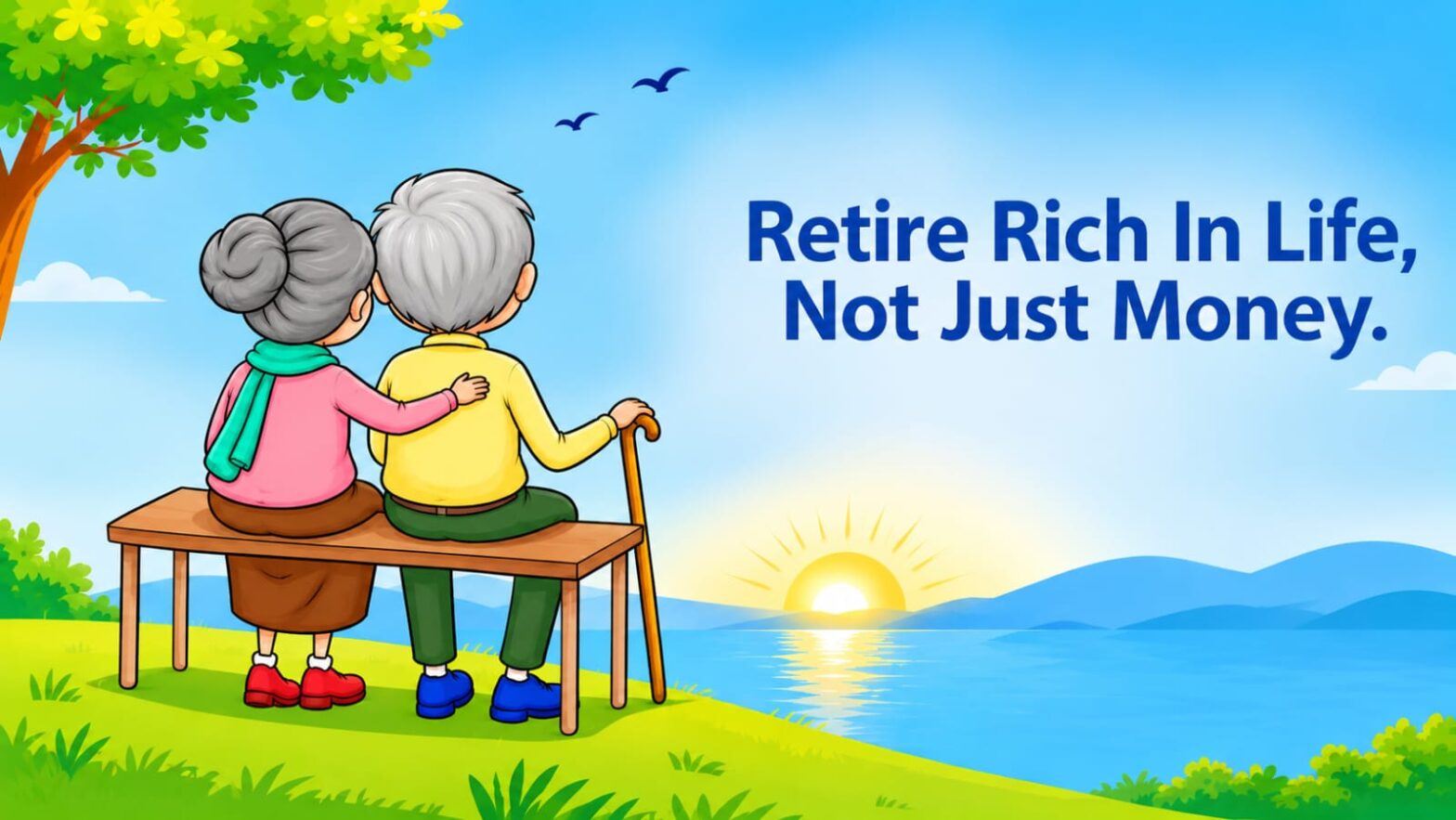
Because, ultimately, retirement is not about having enough money. It is about having enough life.